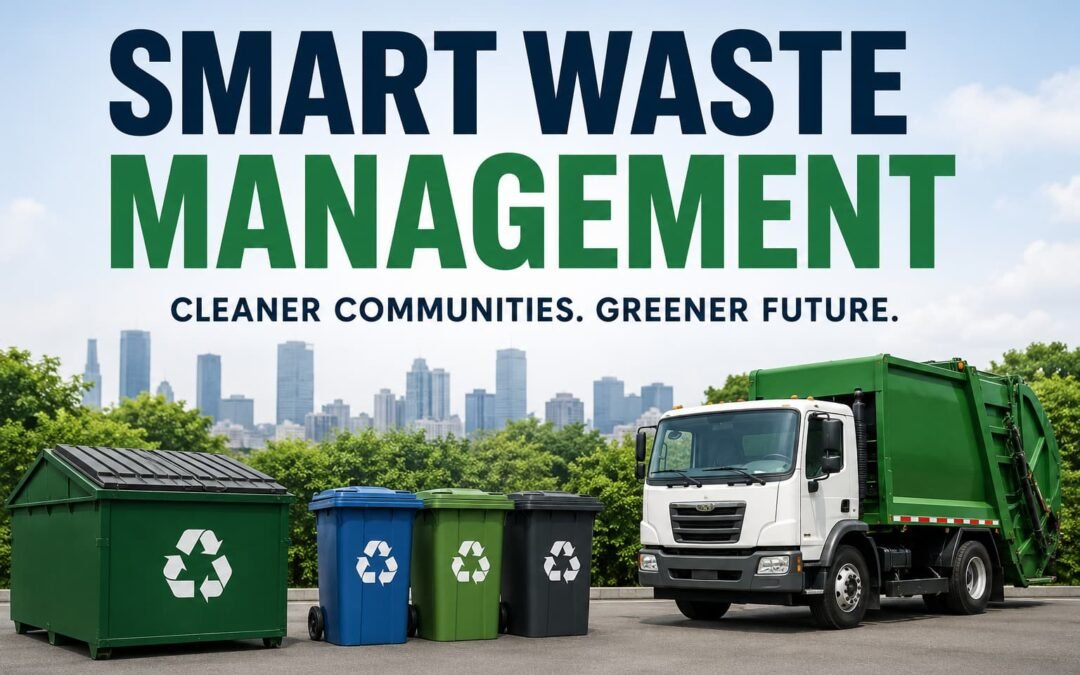
Waste management is more than simply getting trash off your property. A good waste management plan helps homeowners and businesses control waste, separate recyclable materials, handle larger cleanup projects efficiently, and choose the right disposal method for different types of debris.
For New Jersey residents, this is particularly important because recycling and solid-waste programs operate within state and local requirements. New Jersey has had mandatory recycling requirements since 1987, and recycling remains an important part of the state’s overall solid-waste management strategy.
Whether you’re managing everyday household garbage, cleaning out a property, renovating a home, operating a business, or tackling a construction project, understanding your waste options can save time and make the entire process easier.
What Is Waste Management?
Waste management is the process of collecting, separating, transporting, recycling, processing, and properly disposing of unwanted materials.
For most homeowners and businesses, waste generally falls into several categories:
- Regular household or commercial trash
- Recyclable materials
- Bulk waste
- Construction and renovation debris
- Yard waste
- Electronic waste
- Materials requiring special disposal
The important point is that not everything should go into the same container.
For example, New Jersey identifies several different classes of recyclable materials. Paper, cardboard, glass, and aluminum are among common Class A recyclables, while materials such as concrete, brick, wood and certain other materials may have different recycling processes. Electronics and some batteries also require specialized handling.
Understanding those differences is the foundation of responsible waste management.
Why Proper Waste Management Matters
For a homeowner, waste management might seem simple: put the garbage outside and wait for collection.
But problems often begin when the amount or type of waste changes.
Imagine renovating a kitchen. Suddenly, you’re dealing with old cabinets, flooring, packaging, fixtures, wood and construction debris.
Or perhaps you’re cleaning out a house before moving. Regular household garbage can quickly turn into furniture, boxes, damaged household items and years of accumulated belongings.
That’s when normal curbside collection may no longer be the most practical solution.
A professional waste management strategy gives you the ability to match the collection method to the type and volume of waste being generated.
The Waste Management Hierarchy: Don’t Automatically Throw Everything Away
One of the biggest misconceptions about waste management is that everything unwanted is simply “trash.”
The U.S. Environmental Protection Agency prioritizes source reduction and reuse ahead of recycling in its waste-management hierarchy. In other words, avoiding unnecessary waste and finding another use for an item can be preferable to immediately throwing it away.
Before disposing of something, consider:
Can it be reduced?
Avoid creating unnecessary waste when possible.
Can it be reused?
Furniture, tools, building materials and household items may still have useful life.
Can it be donated?
Items in usable condition may benefit another person rather than taking up disposal capacity.
Can it be recycled?
Separate recyclable materials according to your local recycling program.
Does it need to be disposed of?
If an item cannot reasonably be reduced, reused, donated or recycled, appropriate waste collection and disposal becomes necessary.
This simple approach can significantly change how much material ultimately becomes trash.
Curbside Collection vs. Dumpster Rental
One of the most important waste-management decisions is determining which collection method makes sense.
| Situation | Curbside Collection | Dumpster Rental |
|---|---|---|
| Everyday household trash | Excellent | Usually unnecessary |
| Routine residential waste | Excellent | Usually unnecessary |
| Small decluttering | Good | Depends on volume |
| Garage cleanout | Limited | Often better |
| Basement cleanout | Limited | Often better |
| Moving cleanup | Limited | Good |
| Estate/property cleanout | Limited | Excellent |
| Remodeling project | Usually limited | Excellent |
| Construction debris | Usually limited | Excellent |
| Large amounts of bulky waste | Limited | Excellent |
Regular residential collection is designed primarily for routine waste generation.
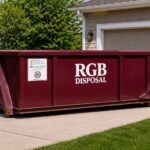
Dumpster rental serves a different purpose. It provides temporary capacity when a project generates substantially more material than your regular collection service is designed to handle.
When Does Renting a Dumpster Make Sense?
A dumpster can make waste management considerably easier when you’re working on a larger project.
Common examples include:
Home Renovations
Kitchen, bathroom, basement and other remodeling projects can generate substantial debris over several days or weeks.
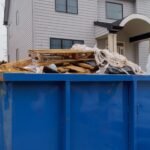
Having a designated container keeps waste centralized instead of allowing piles of material to accumulate around the property.
Moving
Moving is one of those situations where people often discover just how much unnecessary material they’ve accumulated.
A dumpster can be useful when you’re simultaneously packing, decluttering and disposing of unwanted materials.
Estate and Whole-House Cleanouts
Cleaning an entire property can generate far more waste than standard curbside collection can reasonably accommodate.
Roofing and Construction Projects
Construction projects can generate a large amount of material quickly.
However, the weight of construction debris matters, not merely how much space it occupies. Dense materials require particular attention when choosing a container and planning disposal.
Seasonal Property Cleanups
Spring and fall cleanups can also generate unusually large quantities of material.
Before placing yard waste or other materials into a dumpster, however, customers should confirm that those materials are accepted.
Don’t Choose a Dumpster Based Only on How Much Trash You See
This is one of the most important things homeowners should understand.
Volume and weight are not the same thing.
Imagine two dumpsters.
One contains bulky furniture and household items.
The other contains dense construction materials.
Both might look equally full, but their weights could be dramatically different.
That’s why explaining your project to the waste-management company is important.
Instead of simply asking:
“What size dumpster should I rent?”
Tell the company:
- What you’re working on
- What you’re throwing away
- Approximately how much material you expect
- How long the project will take
Those details can help determine an appropriate solution.
Plan Where the Dumpster Will Go Before It Arrives
Dumpster placement is another part of waste management that homeowners sometimes overlook.
Before delivery, consider whether the proposed location has adequate access.
Look for potential obstacles such as:
- Parked vehicles
- Low-hanging branches
- Overhead wires
- Narrow driveways
- Gates
- Landscaping
- Limited turning space
- Soft or unsuitable surfaces
You should also determine whether placing a container on a public street requires permission from your municipality.
Planning ahead can make delivery and pickup considerably smoother.
Recycling Is an Important Part of Waste Management
Waste management shouldn’t focus exclusively on disposal.
Recycling materials keeps potentially useful resources in circulation. According to the EPA, recycling can conserve natural resources, save energy and divert materials away from landfills and incinerators.
New Jersey also maintains specific recycling programs and requirements. The state’s Department of Environmental Protection provides resources to help residents identify recycling programs and determine how particular materials should be handled.
This becomes particularly important for items that should not simply be placed in ordinary household trash.
Be Careful With Electronics, Batteries and Special Waste
Not every unwanted item belongs in your garbage can or dumpster.
New Jersey identifies televisions, computers, monitors, laptops, desktop printers and certain other electronics for recycling through appropriate programs. Batteries and other universal wastes can also require specialized handling.
Before disposing of an unfamiliar material, ask.
This is particularly important for:
- Electronics
- Batteries
- Paint and chemicals
- Automotive fluids
- Pesticides
- Mercury-containing equipment
- Oil-based finishes
- Other potentially hazardous materials
The correct disposal method depends on the material and applicable local requirements.
7 Ways to Improve Waste Management at Your Property
1. Separate waste as you work.
Don’t wait until the end of a large project to figure out what is trash, recyclable or requires special handling.
2. Reduce unnecessary waste.
Purchase what you actually need and avoid unnecessary packaging when practical.
3. Reuse before disposing.
Consider whether furniture, equipment, building materials or household goods can be reused.
4. Donate usable items.
Not everything from a cleanout needs to become waste.
5. Learn your local recycling requirements.
Recycling rules can vary by location and material.
6. Use the appropriate collection service.
Routine household garbage and a major renovation should not necessarily be handled the same way.
7. Ask before disposing of questionable materials.
A quick question can prevent prohibited or inappropriate materials from entering a waste container.
Waste Management for Businesses
Good waste management is equally important for commercial properties.
Restaurants, offices, retail locations, apartment properties, contractors and other businesses can generate very different waste streams.
An effective commercial waste strategy should consider:
Volume: How much waste does the business normally generate?
Frequency: How often does collection need to occur?
Waste type: Is the waste primarily ordinary trash, cardboard, recyclable material, construction debris or something else?
Seasonality: Does the business generate more waste during particular times of the year?
Space: Where can containers be safely and conveniently located?
Rather than treating collection as an afterthought, businesses should evaluate these factors and develop a system appropriate for their operations.
Better Waste Management Starts With the Right Plan
Effective waste management isn’t about throwing everything into the biggest container available.
It’s about matching the solution to the waste.
For ordinary household garbage, scheduled curbside collection may be exactly what you need. For a renovation, property cleanout, move or construction project, a dumpster may provide a much more practical solution.
And when materials can be reduced, reused, donated or recycled, those options should be considered before disposal.
The EPA encourages households to reduce, reuse and recycle materials to decrease household waste, while New Jersey provides residents and businesses with additional recycling and waste-management resources.
Need Waste Management or Dumpster Rental Services?
If you’re planning a home cleanout, renovation, construction project, or simply need dependable residential waste collection, RGB Disposal can help you determine the appropriate waste-management solution for your needs.
Phone: 732-469-4604
Phone: 732-968-1131
Email: info@rgbdisposal.com
Website: RGB Disposal
Contact RGB Disposal to discuss your project, the type of material you’re disposing of, and the waste collection or dumpster rental option that makes the most sense.