dumpster rental sizes NJ
Choosing the right dumpster size can make a home cleanout, renovation, construction project, or property cleanup much easier. The best dumpster isn’t necessarily the largest one available—it’s the container that matches the type of debris, estimated volume, weight, and scope of your project.
For New Jersey homeowners, contractors, property managers, and businesses, understanding dumpster rental sizes in NJ before ordering can help prevent common problems such as running out of space, choosing more capacity than necessary, or underestimating the weight of construction debris. The U.S. Environmental Protection Agency (EPA) provides information on sustainable materials management, helping businesses and individuals make more informed decisions about managing materials and waste.
What Size Dumpster Should I Rent?
The dumpster size you need depends primarily on what you’re throwing away and how much material your project will generate.
Smaller dumpsters can work well for household cleanouts and smaller renovation projects, while larger containers may be more appropriate for major remodeling, construction, estate cleanouts, and projects generating bulky debris.
However, size isn’t the only consideration.
A dumpster containing furniture and household belongings can weigh considerably less than the same-size container filled with roofing material or dense construction debris.
That’s why you should consider volume and weight, not simply how large the pile looks.
Understanding Dumpster Sizes
Dumpster capacity is typically measured in cubic yards.
A cubic yard measures volume rather than weight. One cubic yard is approximately 3 feet long by 3 feet wide by 3 feet high.
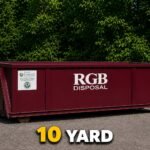
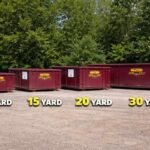
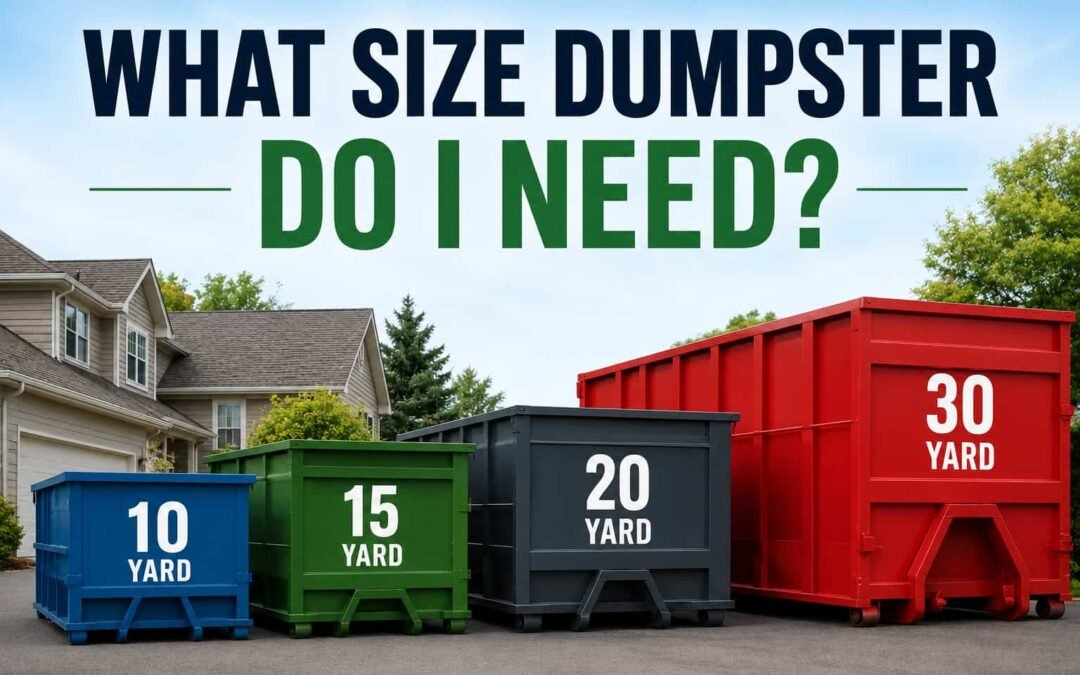
RGB Disposal offers several dumpster sizes, including 10-yard, 15-yard, 20-yard, and 30-yard dumpsters, giving customers options for projects ranging from smaller residential cleanouts to larger renovation and construction jobs.
Here’s a simple starting point:
| Dumpster Size | Potential Uses | Project Size |
|---|---|---|
| 10 Yard | Small cleanouts, minor renovations | Small |
| 15 Yard | Garage/basement cleanouts, remodeling | Small–Medium |
| 20 Yard | Larger cleanouts, renovations, construction | Medium–Large |
| 30 Yard | Major cleanouts, construction, large renovations | Large |
These examples are general guidelines. The appropriate dumpster can vary depending on the materials being discarded, weight restrictions, and project requirements.
10-Yard Dumpster: A Compact Option for Smaller Projects
A 10-yard dumpster can be a practical choice when your project generates more material than regular curbside collection can comfortably handle but doesn’t require a large container.
Potential projects include:
- Small household cleanouts
- Attic decluttering
- Small garage cleanouts
- Minor remodeling projects
- Small amounts of construction debris
- Moving preparation
- Selected household junk removal
The advantage of a smaller dumpster is straightforward: you’re not automatically paying for capacity you may not need.
But don’t choose a 10-yard container simply because the project appears small.
Heavy materials can create different requirements than lightweight household items. Tell the dumpster company exactly what you plan to dispose of before selecting your container.
15-Yard Dumpster: More Room Without Going Too Large
A 15-yard dumpster provides additional capacity while remaining appropriate for many residential projects.
It may work well for:
- Basement cleanouts
- Garage cleanouts
- Home decluttering
- Small-to-medium remodeling projects
- Flooring removal
- Moving cleanouts
- Property maintenance projects
This middle-ground size can be particularly useful when you’re unsure whether a smaller dumpster will provide enough room.
For example, cleaning out a basement may initially appear manageable. Once old furniture, boxes, shelving, household belongings, and accumulated junk start coming out, however, the amount of material can grow quickly.
20-Yard Dumpster: A Versatile Choice for Larger Home Projects
A 20-yard dumpster provides considerably more capacity and may be appropriate for projects generating larger quantities of debris.
Potential uses include:
- Larger home cleanouts
- Estate cleanouts
- Kitchen renovations
- Bathroom remodeling
- Flooring projects
- Larger garage cleanouts
- Construction and renovation debris
- Moving from a larger property
This size can provide a useful balance between capacity and practicality for substantial residential projects.
The important question isn’t:
“How big is my house?”
It’s:
“How much material will this particular project generate?”
A small property undergoing a major renovation can produce substantially more debris than a large home undergoing a simple decluttering project.
30-Yard Dumpster: Built for Bigger Cleanup and Construction Projects
When you’re dealing with a major renovation, construction project, extensive property cleanout, or large quantities of bulky debris, a 30-yard dumpster may be more appropriate.
Potential projects include:
- Whole-house cleanouts
- Large estate cleanouts
- Major remodeling projects
- Construction projects
- Commercial property cleanouts
- Large quantities of bulky materials
- Extensive renovation debris
The larger capacity means fewer concerns about quickly filling the container during a substantial project.
However, bigger isn’t automatically better.
The goal should be to choose enough capacity for the project without unnecessarily renting more dumpster than you need.
Dumpster Size Isn’t the Same as Weight Capacity
This distinction is extremely important.
Dumpster size tells you how much space is available. It doesn’t tell you how much weight you can put inside it.
Consider two 20-yard dumpsters.
One is filled primarily with:
- Furniture
- Cardboard
- Household belongings
- Lightweight materials
The other contains:
- Concrete
- Roofing materials
- Tile
- Dense construction debris
They might occupy approximately the same volume while having dramatically different weights.
This is why telling your dumpster rental company what you’re disposing of is just as important as estimating how much debris you have.
5 Questions to Ask Before Choosing a Dumpster
Before ordering, answer these questions.
1. What am I throwing away?
Create a basic list.
Is your project generating household junk, furniture, renovation debris, roofing material, yard debris, flooring, or another type of waste?
2. How much material will the entire project generate?
Don’t estimate based only on what you can currently see.
If you’re renovating a kitchen, for example, consider everything that may eventually be removed—not just what’s already sitting outside.
3. How heavy is the material?
Dense materials require special consideration.
Always tell the dumpster provider when you’re disposing of particularly heavy debris.
4. How long will the project take?
A weekend cleanout and a multi-week renovation generate waste differently.
Knowing the project timeline can help you plan your rental more effectively.
5. Where will the dumpster go?
Make sure there’s an appropriate location for delivery and pickup.
Consider:
- Driveway space
- Vehicle access
- Overhead wires
- Low tree branches
- Gates
- Landscaping
- Street access
- Nearby parked vehicles
If you’re considering placing the dumpster on a public street, check whether your municipality requires permission or a permit.
A Common Mistake: Ordering Too Small
Choosing the smallest possible dumpster may seem like an easy way to reduce costs.
It can sometimes have the opposite effect.
If the container fills before the project is complete, you may need additional service or another container.
That’s why estimating the entire project is important.
For example, don’t estimate a basement cleanout based on the first pile you’ve created. Think about everything that will eventually come out of the basement.
At the same time, don’t automatically order the largest dumpster available “just in case.”
A better strategy is to describe the project to an experienced dumpster rental provider and ask which option is appropriate.
Don’t Forget About Bulky Items
Large household items consume dumpster space quickly.
These may include:
- Sofas
- Mattresses
- Tables
- Cabinets
- Shelving
- Large boxes
- Furniture
- Remodeling materials
A room may not contain a huge number of objects, but several bulky items can significantly affect how much dumpster capacity you need.
Breaking down appropriate materials when practical can sometimes make more efficient use of available space.
Can Everything Go Into a Dumpster?
No.
This is another reason to discuss your project with the dumpster provider before delivery.
Certain materials may be prohibited or require different disposal methods. Items such as hazardous chemicals, certain electronics, batteries, paints, automotive fluids, and other regulated materials should not automatically be placed in a dumpster.
If you’re uncertain about an item, ask before throwing it away.
It’s much easier to confirm acceptable materials beforehand than deal with a disposal problem later.
Dumpster Rental vs. Regular Trash Collection
Not every cleanup requires a dumpster.
Regular residential curbside collection is typically the better solution for ordinary household waste generated week after week.
Dumpster rentals become particularly useful when waste generation temporarily increases because of a specific project.
Think of it this way:
Regular trash collection = ongoing household waste
Dumpster rental = temporary high-volume project waste
A spring cleanout, move, renovation, estate cleanout, construction project, or major decluttering job can create far more material than your normal collection service is designed to accommodate.
Quick Dumpster Selection Checklist
Before calling for a dumpster rental, have this information ready:
☐ Type of project
☐ Type of debris
☐ Estimated amount of material
☐ Heavy materials involved
☐ Bulky furniture or household items
☐ Approximate project duration
☐ Preferred delivery location
☐ Desired delivery date
☐ Questions about prohibited materials
You don’t necessarily need to know exactly which dumpster size you want.
Providing good information about your project allows the waste management company to help you make a more informed choice.
Which Dumpster Size Is Right for You?
There’s no single dumpster size that’s right for every project.
A smaller cleanout may need only a 10-yard dumpster, while a larger residential cleanup could require a 15- or 20-yard container. Major renovations, construction projects, or extensive property cleanouts may justify considering a 30-yard dumpster.
The key is matching the container to the project, debris type, volume, weight, and available placement area.
When you’re unsure, don’t guess.
Describe the project and the materials you’re removing before ordering. A few minutes spent discussing your needs can make the entire cleanup process easier.
Need a Dumpster Rental? Contact RGB Disposal
Planning a home cleanout, renovation, construction project, property cleanup, or other job that will generate a large amount of waste?
RGB Disposal Service, Inc. offers dumpster rental and waste management services and can help you determine which dumpster size is appropriate for your project.
Phone: 732-469-4604
Phone: 732-968-1131
Email: info@rgbdisposal.com
Website: rgbdisposal.com
Contact RGB Disposal before your project begins to discuss the type of debris you’ll be removing, the amount of material you expect, and which dumpster option best fits your needs.